What is a pipeline encroachment agreement, and when do you need one
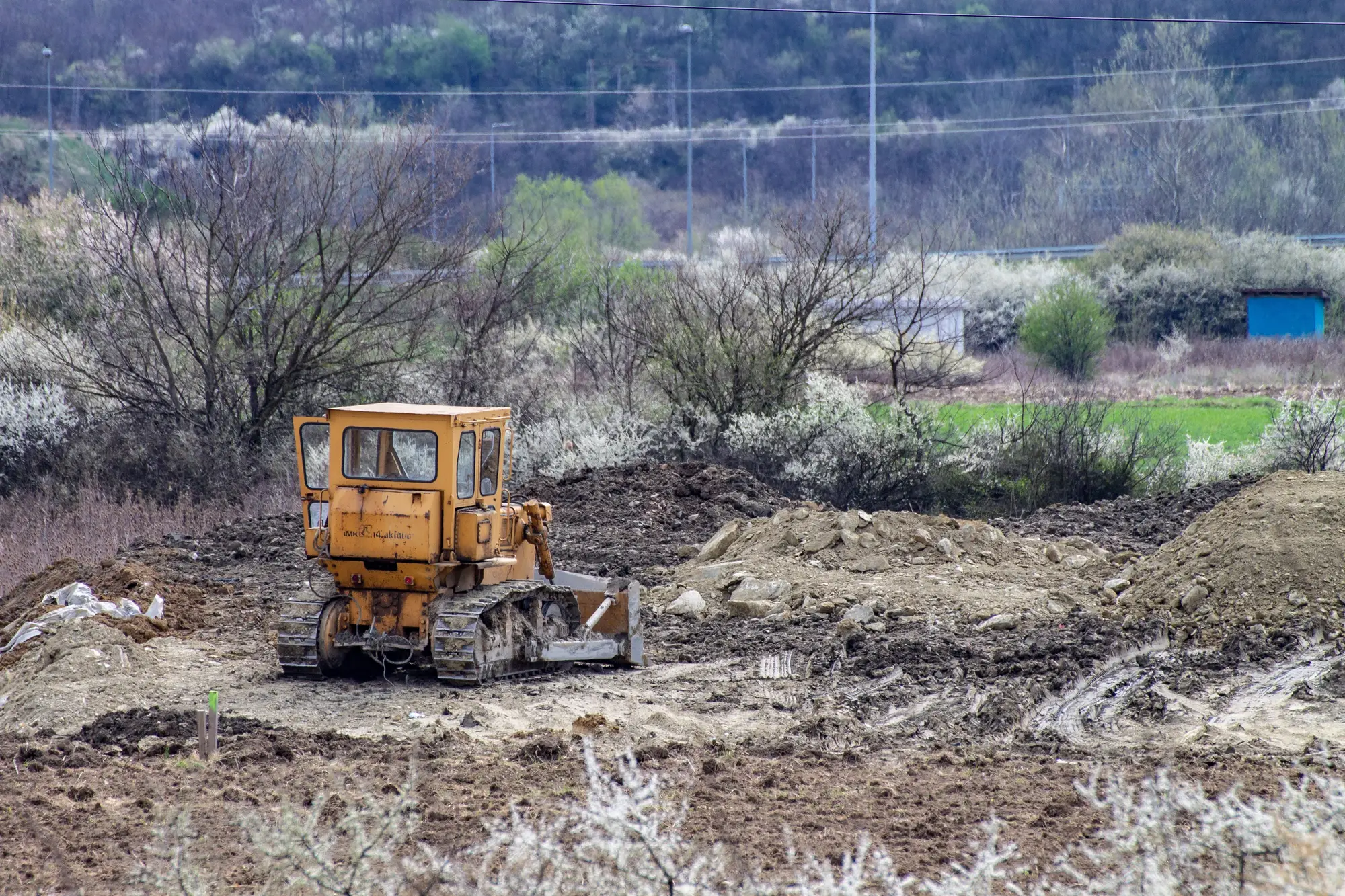
An encroachment agreement is the paperwork that lets something sit inside, cross, or sit on top of a pipeline right-of-way without violating the easement. It spells out what's allowed, where, how deep, and under what conditions, and it puts the liability where it belongs if something goes wrong. If you've ever pulled a title search and found an easement grant from 1962 with no mention of fiber conduit, driveways, or a county drain tile that crosses your line today, you already know why this document exists. The easement gives the operator rights. The encroachment agreement is how everyone else gets permission to coexist with those rights.
What triggers the need for one
Not every structure near the line needs paper. A fence built outside the easement width doesn't touch your rights. Anything built, buried, or driven inside the legal right-of-way does, and that covers more ground than most landowners expect.
A farmer wants to install a center-pivot irrigation line that crosses the ROW. A developer is platting a subdivision and the new road grid puts a storm sewer directly over your pipe. A neighboring utility wants to bore a fiber line parallel to your easement, six feet off centerline. A property owner pours a concrete pad for a shop building and the corner of the slab lands inside the strip. Each of these is a different flavor of the same problem: a third party wants to do something inside ground you hold rights to, and your engineering group needs to set depth of cover, minimum separation, construction method, and who pays if the work damages the pipe or coating.
This is also where the vocabulary gets mixed up in the field. An encroachment permit pipeline operators issue is usually the internal approval, the engineering sign-off that says the crossing meets your standards. A crossing agreement is the contract version of that, typically used for a specific utility or road crossing with its own bore depth and casing specs. A third-party encroachment agreement is the broader umbrella term, covering anything from a driveway to a drain tile to a parallel utility, where someone other than the pipeline operator wants to build on or through the easement. Different companies use these terms differently. That's why so many landowner calls start with "do I need a permit or an agreement," and the honest answer is usually both, filed under one case number.
Who starts the process, and what usually goes wrong
In theory, the landowner or contractor calls before they dig, a one-call ticket gets filed, your damage prevention group reviews it, and an agreement gets drafted before any equipment moves. In practice, a meaningful share of encroachments get found after the fact. A patrol crew notices fresh dirt where there wasn't any three weeks ago. A landowner mentions in passing that the county already ran a culvert under the line last spring. An aerial flyover catches a new foundation that wasn't on last year's imagery.
That gap between when something gets built and when your team finds out is the real risk. PHMSA doesn't care whether the encroachment was permitted late because nobody told you about it. Depth of cover violations, unauthorized structures, and unpermitted crossings all carry the same downstream exposure, whether they came through your damage prevention process or showed up during a routine right-of-way walk six months later.
Closing that gap means checking the corridor more often than a patrol rotation reaches any given stretch of line. Pipeline Encroachment runs a biweekly check across the whole corridor using high-resolution imagery, flagging new structures, fresh excavation, and new road or utility crossings against your mileage log. That gives your right-of-way or damage prevention group something concrete to route to a landowner call or a patrol follow-up, instead of waiting on a chance sighting.
Getting the agreement in place is still a legal and engineering process. Your team sets the crossing specs, gets the indemnification language right, and files it against the right instrument number. None of that starts until someone knows the encroachment is there, and that's the part worth shortening.
Run the mileage log past what's actually sitting in the corridor right now.