Agricultural encroachment vs. normal farming on a pipeline ROW
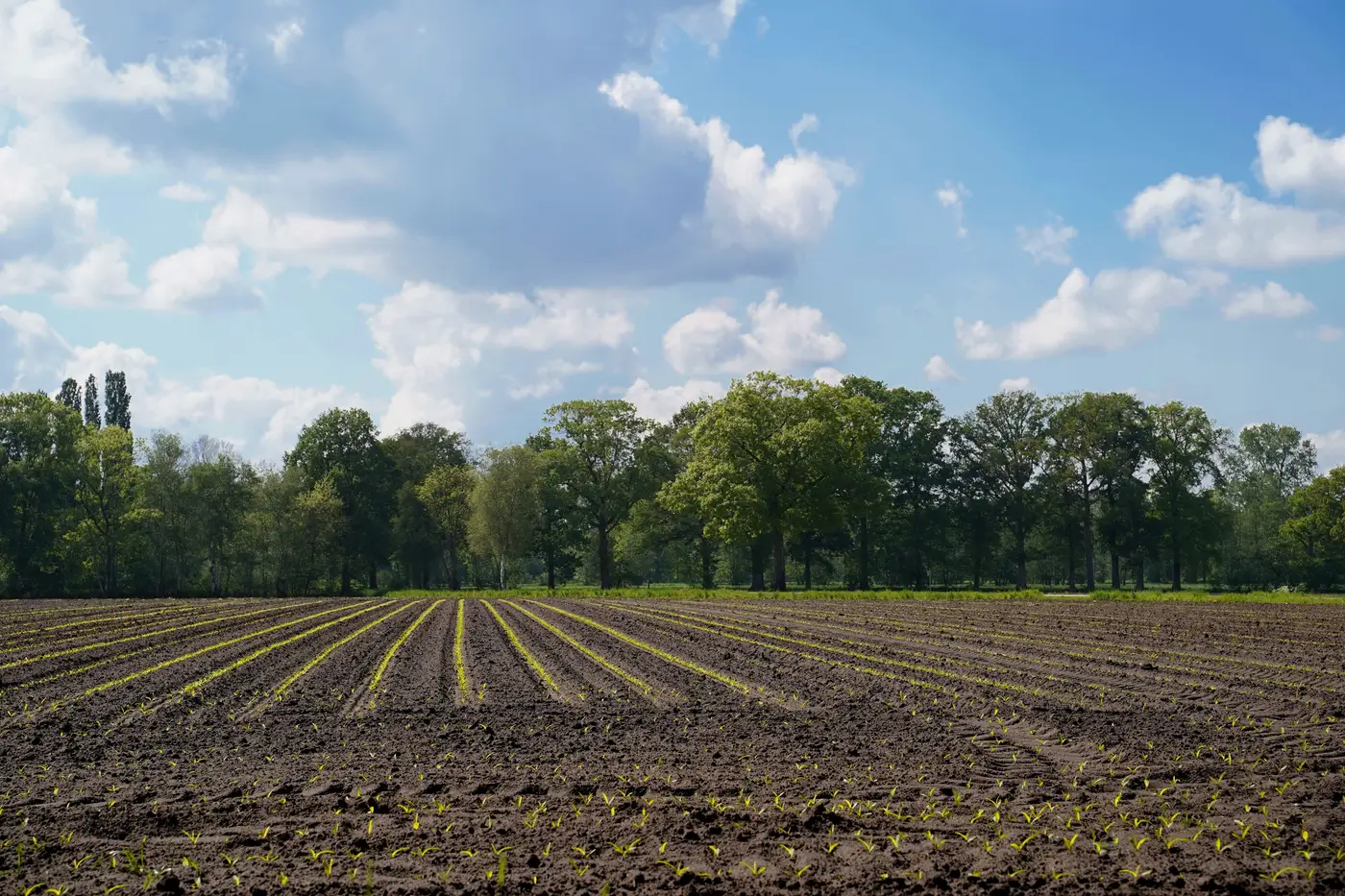
Every integrity team with row-crop country in its corridor gets this call eventually: a landowner's disking a field that happens to sit over the line, or running a new pivot, and somebody in the office wants to know if that's a problem or just Tuesday. Most of what happens on an easement during planting season is normal farming, covered by the agreement the company already has with that landowner. The part that isn't is usually narrower than people think, and it's worth knowing exactly where that edge sits before a disking crew or a drainage contractor finds out the hard way.
What's normal farming
Standard tillage, planting, spraying, and harvest on an established easement are almost always permitted activity, not encroachment. Most agricultural ROW agreements explicitly reserve the landowner's right to farm the surface, and routine field work rarely gets anywhere near pipe depth. Disking, chisel plowing to a few inches, planting equipment, grain carts crossing at harvest, these are the activities the easement was written to allow.
Center pivot irrigation is where it gets murkier, but even there, a pivot tower whose wheel track crosses the ROW isn't by itself an issue. Wheel loads on compacted soil over a line buried to standard depth of cover aren't what takes down a pipeline. What matters is whether the irrigation system required new trenching, a buried mainline, or a well casing anywhere near the corridor. That's a different category of work entirely.
What crosses the line
The activities that actually belong on an encroachment log are the ones that change cover over the pipe or put new infrastructure into ground that's supposed to stay clear:
- Deep ripping or subsoiling. Standard tillage stays shallow. Subsoilers and deep rippers are built to break up compaction well below typical cover depth, and on a lot of easements that's explicitly restricted or requires a locate first.
- Tile drainage work. New tile lines, risers, or repair trenches crossing the ROW are excavation, not farming, and they're one of the more common sources of third-party strikes in tiled ground.
- Irrigation wells and buried mains. A well casing, a new buried supply line to a pivot, or a reworked wet well near the corridor all count as construction activity on the easement, whatever the purpose.
- Land leveling or grade change. Scraping or filling to level a field changes cover depth over the line even when no one touches a shovel near the pipe itself.
- Ponds, lagoons, and grain storage. Anything that adds permanent structure or standing excavation inside the easement, including livestock waste lagoons and new grain bins sited a little too close to the row.
- Tree lines and windbreaks. Root systems and future removal equipment are the concern, and most easements bar new trees inside the strip regardless of intent.
The pattern across all of these: if the activity puts new excavation or structure into the corridor, or changes how much dirt sits over the pipe, it's not covered by "farming the surface" even if a farmer is the one doing it.
Why this distinction actually matters
None of this is really about being strict with landowners who've farmed the same ground for thirty years. It's about catching the one season a neighbor brings in a tiling contractor or a new pivot crew who has no idea where the line runs, because nobody called in a locate before equipment showed up. Patrol catches a lot of this after the fact, on whatever schedule the patrol route runs. A biweekly pass with high-resolution imagery, the kind we built Pipeline Encroachment around, catches the new trench spoil pile or the pivot tower that's moved before it turns into a call to the one-call center that's three weeks too late.
If your corridor runs through row-crop or irrigated ground, worth seeing what a mileage-indexed read of that activity looks like before the next planting season starts.