Catching a new subdivision on your right-of-way before lot one closes
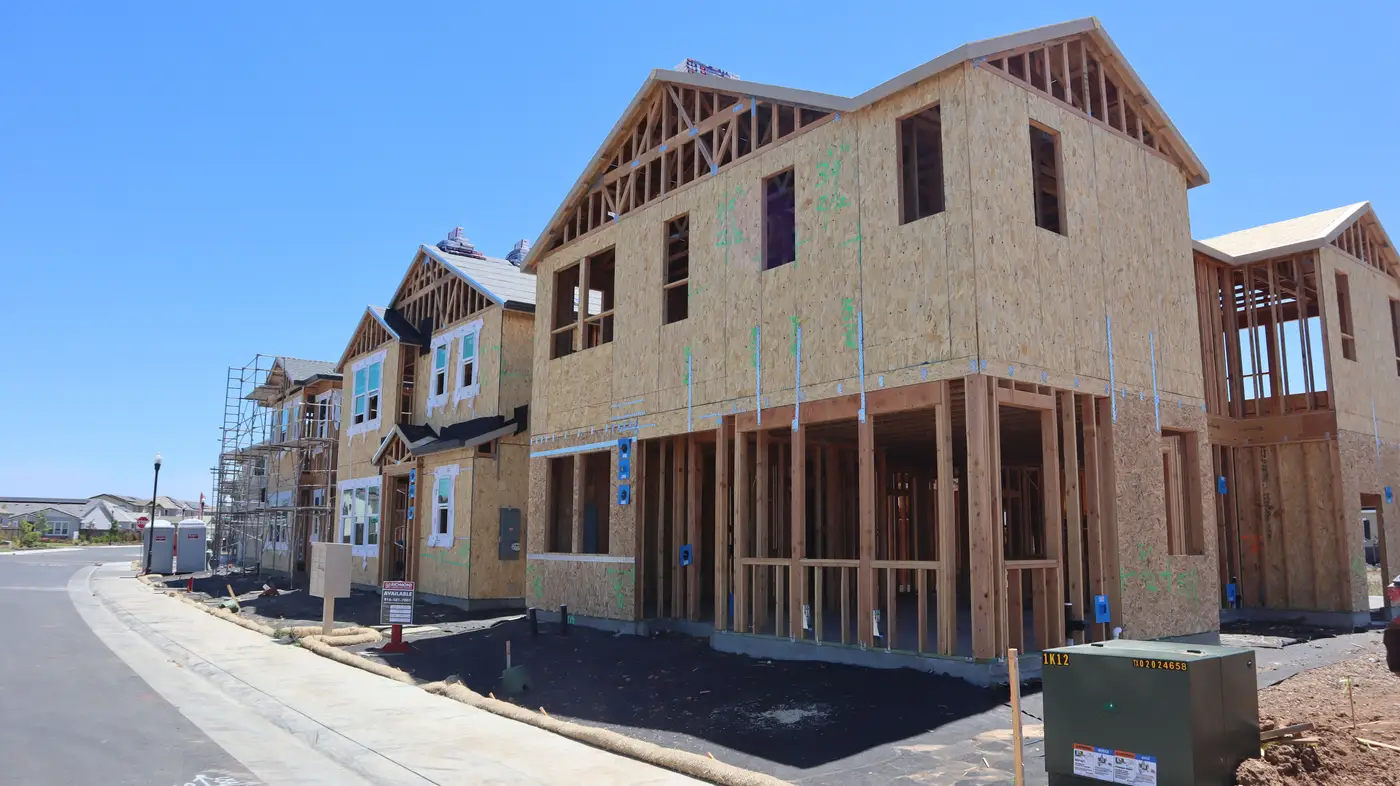
A plat gets filed, the county signs off, and grading starts on a Tuesday. Nobody from the pipeline side was in the room. That's the part most ROW agents only learn after the fact: a plat filing pipeline easement conflict usually doesn't look like a conflict on paper. It looks like a clean recorded subdivision, with your easement noted correctly in a surveyor's legend nobody read twice.
The plat gets recorded before anyone calls you
In most counties, a pipeline operator isn't a mandatory reviewing party on a preliminary or final plat unless a local ordinance specifically names utility and pipeline easement holders as a notification class. A surveyor will dutifully show the recorded easement width on the plat, because leaving it off would be its own liability. What the surveyor doesn't do is call your right-of-way department, confirm setback requirements against your pipe depth, or flag that lot 14's proposed driveway crosses your corridor at an angle that puts a culvert install inside the easement.
So the plat records. The developer pulls grading permits. Dirt starts moving. The first time anyone on the pipeline side sees any of it is usually a patrol flight or foot walk that happens to land on that stretch, weeks or months after the equipment showed up.
Why the first closing changes who you're negotiating with
Residential development over a pipeline corridor is a different problem before and after the first lot sells. Before closing, you're dealing with one developer, one point of contact, and a civil engineer who can move a retaining pond or shift a lot line without much drama. The easement is still an abstraction on a site plan.
After the first closing, you're dealing with a homeowner who bought a lot believing the backyard was theirs to fence, plant, or build a shed on. Nobody at closing walked them through the recorded easement, because title companies disclose it in the stack of documents, not in a conversation. Now your outreach team is explaining to a new homeowner why the pool contractor has to stop, why the shed has to move, and why the fence they just paid for sits on top of a pipe, instead of negotiating a setback with an engineer. That conversation costs more in goodwill and legal time than it would have cost to catch the grading permit six weeks earlier.
What closes the gap between patrol cycles
A few things catch this early, and none of them require waiting on the next scheduled flyover:
Pull plat filings and plan-commission agendas for every parcel your corridor touches, on a standing cadence, not just when you happen to think of it. Most county recorder and planning offices post these online and some will add you to a notification list if you ask, even without a formal ordinance requiring it.
Cross-reference new filings against your mileage log so a parcel abutting the ROW gets flagged the week it's filed, not the month the backhoe shows up.
Watch the corridor itself between patrol passes. Grading, road cuts, and new culverts show up well before a structure does, and a foot or aerial patrol on a biweekly or monthly schedule will miss that window more often than it catches it. A biweekly read on what's changed along the right-of-way, indexed to the mile marker, is the difference between flagging a graded pad while it's still dirt and flagging a finished foundation.
The earlier you catch the grading, the earlier the call goes to the developer instead of a homeowner, and the cheaper the fix is for everyone involved.
See what Pipeline Encroachment flags along your corridor before the next plat lands on your desk.