Field notes: the Tuesday a gravel drive showed up across the easement
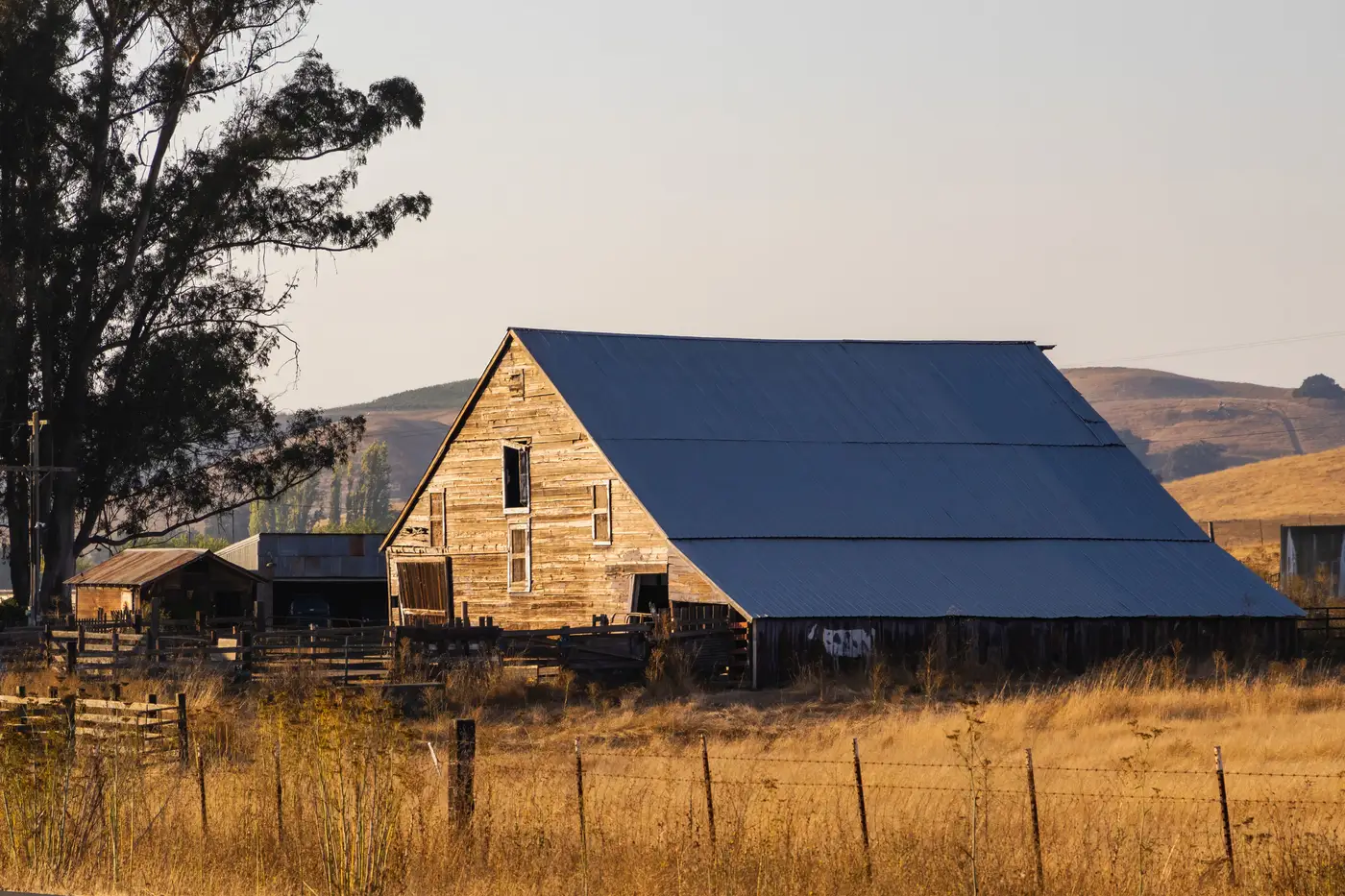
We got the call from a landowner's neighbor, which is how most of these start. Not from patrol, not from our own eyes, from a guy two properties over who thought our right-of-way crew had finally come back to do something with that strip of grass behind his barn. They hadn't. What he was looking at was a gravel drive, maybe 180 feet of it, freshly laid and crowned better than the county road it tied into, running straight across our easement at milepost 42.6.
By the time anyone walked it, the drive had been there eleven days. Compacted, graveled twice from the look of the lift lines, with a culvert already dropped under it where it crossed our ditch line. Whoever built it knew what they were doing, and the work pointed to a contractor job, probably for the new building site the neighbor mentioned was going in on the back forty. Nobody pulled a permit. Nobody called the one-call center, which we only know because there's no ticket on file for that section in the window it would've needed one.
Eleven days doesn't sound like much until you're the one explaining it. Our walking patrol covers that stretch on a six-week rotation, longer if the contractor's short-handed that quarter, which he was. The aerial patrol flies the whole line twice a year and had already passed over 42.6 four months earlier, when there was nothing there but fence and fescue. So the honest answer to "how long had this been going on" was somewhere between four months and eleven days, and we couldn't narrow it further than that. That's not a gap you want to write into an incident report when the next question is whether anyone struck the line while it was unmarked.
Nothing happened, this time. The drive sits over the pipe, but the contractor hadn't dug anything deeper than the culvert trench, and he'd stayed shallow enough that our depth of cover held. We sent the notice, had the conversation with the landowner about what's recorded against that parcel, and worked out a license agreement for the crossing since tearing it out wasn't worth the fight once we confirmed clearance. Routine, in the end. But it's the kind of routine that only looks routine in hindsight, after you've confirmed nobody brought an excavator anywhere near the pipe.
What stuck with me wasn't the drive itself. New road crossings happen. It's how ordinary the whole thing was on the ground. No warning signs, no call-before-you-dig flags, no obvious reason anyone walking that stretch would have caught it sooner than they did. A gravel drive doesn't announce itself the way a backhoe parked next to a trench does. It just sits there looking like it's always been there, and by the second week the grass has already started growing back in around the edges.
That's the stretch of time I keep coming back to. Not the strike that didn't happen, the eleven days where it could have. Foot and aerial patrol are built around a schedule, and a schedule has gaps by design, because you can't walk four hundred miles every week. What you can do is shorten how long something new sits there unnoticed between passes. That's the whole case for watching the corridor more often than the patrol truck can run it, and it's the idea behind Pipeline Encroachment, which flags new structures and crossings along the right-of-way on a biweekly basis instead of waiting for the next scheduled walk.
We still don't know exactly which Tuesday the first load of gravel went down. Next time, I'd like to know within two weeks instead of four months.