Field notes: the fence line that crept six feet before anyone called it in
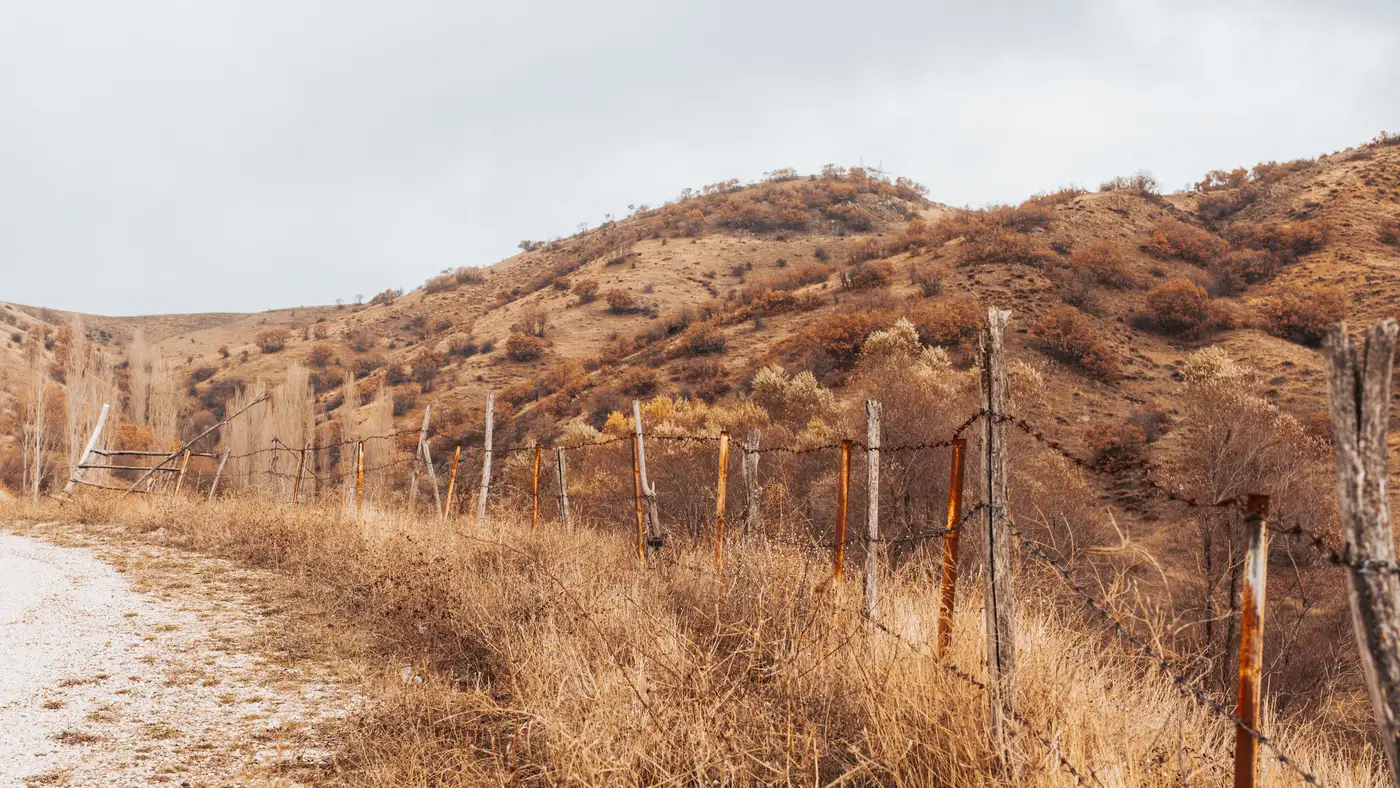
A right-of-way agent I know in the Permian told me about a fence line that moved six feet into an easement over about three years. Nobody dragged it there in one night. It happened one corner post at a time, the way a rancher resets a brace assembly after cattle lean on it long enough, or the way a sagging wire line gets re-strung a little straighter and a little further over because that's where the ground is better for a post hole.
By the time a survey crew flagged it during a valve replacement job, the fence was sitting inside the legal limit of the easement, cutting into the maintained strip the pipeline needs clear for mowing, inspection vehicles, and emergency access. Nobody had done anything wrong on purpose. The rancher didn't know where the easement line ran once the original stakes had rotted out or gotten mowed over. The pipeline company hadn't walked that exact stretch in close to two years.
That's the part that sticks with me. Two years isn't negligence. On a system with a few thousand miles of corridor and a patrol budget that has to stretch across all of it, two years between close looks at any given quarter-mile is close to normal. Foot patrol gets prioritized by risk class and recent activity, not by how a fence might be behaving. Aerial patrol flies the whole line but at an altitude and speed built for spotting excavators and leak sheen, not six inches of lateral drift on a four-strand fence.
Encroachment rarely shows up as a dramatic event. It shows up as a pattern of small, individually defensible decisions. A landowner widens a gate to get a bigger combine through and the new post line lands a little closer to centerline. A neighbor builds a loafing shed near the property line because that's the flattest ground on the parcel, and flattest ground tends to follow drainage, which tends to follow the same contour as the pipeline.
A county road crew regrades a crossing and the culvert ends up a few feet off the original alignment. None of these are strikes. All of them are the setup for one, because they erode the margin that keeps a backhoe or an auger rig from landing where the pipe actually sits.
A shorter interval between looks, applied evenly across the whole corridor instead of concentrated where last year's incidents happened, would have caught the fence line early. A six-foot drift over three years is roughly two inches a month. That's invisible to someone driving a truck down the access road once a quarter and comparing it to memory. It's not invisible to an overhead image taken every two weeks and stacked against the one before it.
This is the gap Pipeline Encroachment is built to close: a biweekly pass over the right-of-way that flags new structures, fresh excavation, and crossing activity against where it sat two weeks earlier, indexed to milepost so whoever gets the flag knows exactly which stretch to walk. It doesn't replace the patrol. It tells the patrol where to spend the day instead of running the same windshield survey over ground that hasn't changed.
The fence line in this story got fixed. The rancher moved his posts back to the surveyed line without much argument once someone showed him where it ran, and the easement agreement got a note added about re-marking the corners. Nobody got hurt and nothing got hit. But six feet in three years is a number worth sitting with, because the next drift might not stop at the fence. It might be the grading for a new driveway, or a utility crew setting a pole, moving at the same quiet pace into the same blind two-week window.
If you'd rather find that kind of drift on a map than on a damage report, that's the gap this tool is built for.