Field notes: the barn that came back six feet too close
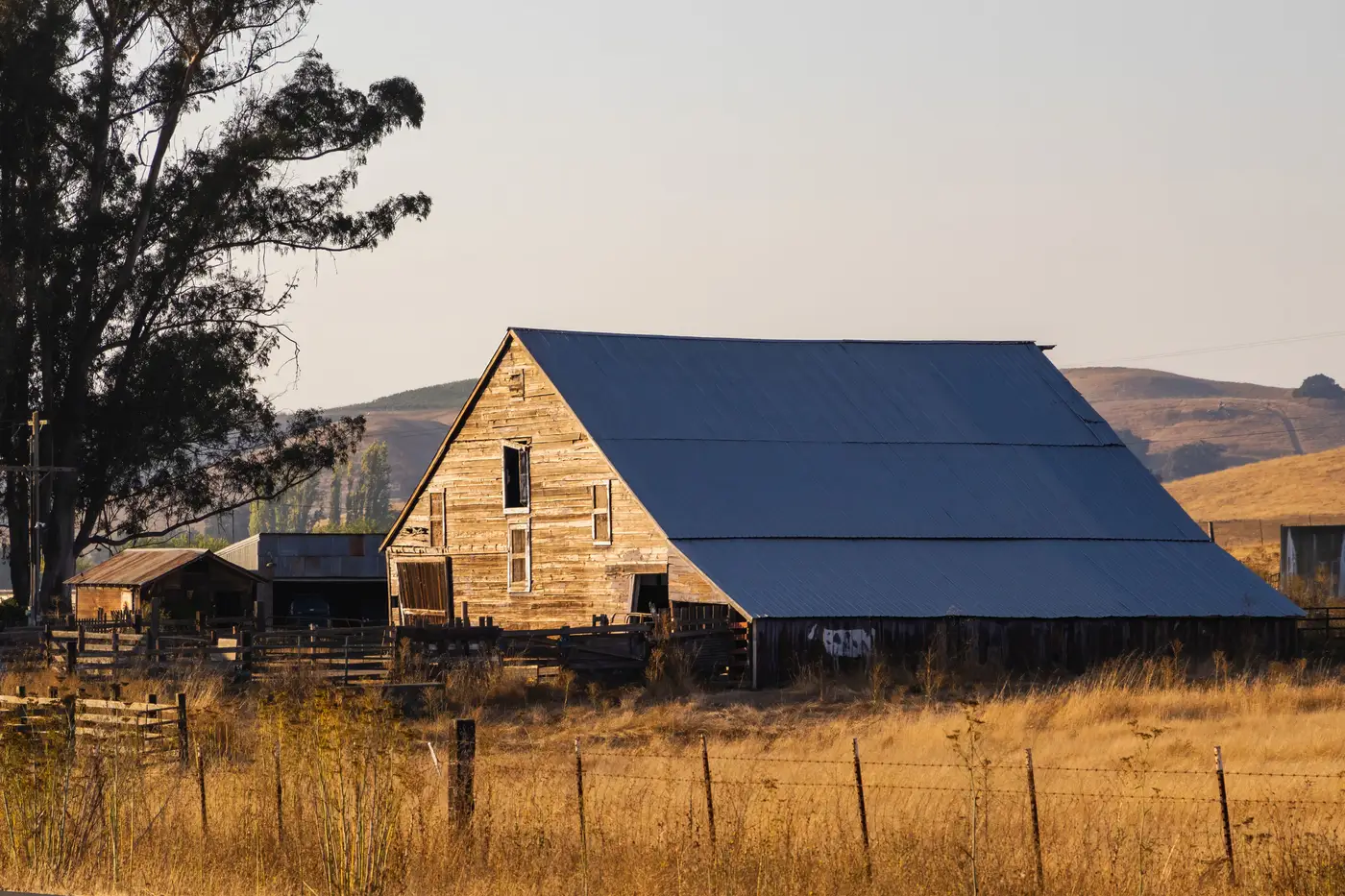
A landowner in the file called it a "repair." Technically it was. The old barn had taken storm damage two winters back, the roof caved in on the north side, and by spring most of it was gone except the foundation and a few studs still standing. What came up in its place this summer was a different building on close to the same footprint, except not quite.
Six feet, give or take, was the difference. Enough that the new structure's foundation sat inside the easement on the west edge, where the old one had cleared it by a couple feet. Nobody built it there on purpose, most likely. Rebuilding on a damaged slab is easier than surveying a new one, and six feet is nothing when you're eyeballing it from a tractor seat with a tape measure and a Saturday to spare.
It's also nothing you'd catch on the usual patrol schedule if the stretch doesn't come up for a few weeks.
That's the part worth sitting with. This wasn't a new barn built out of spite or ignorance of the easement. There's a sign on the fence post not thirty yards off. It was a slow drift back toward the line during a rebuild, the kind of thing that happens between patrol passes and gets found whenever someone happens to walk or fly that exact mile again. On a long enough corridor, "whenever" can be a while.
The find itself was routine once it happened. Fence line check, landowner home, friendly conversation, no excavation underway, no immediate hazard, just a structure that needed a setback conversation and a survey to confirm the number. The kind of thing that gets handled in an afternoon once somebody's standing in front of it. The gap sat in the noticing, in how long a six-foot drift can sit unnoticed between one swing through the right-of-way and the next.
The lag nobody puts in the incident report
Nobody writes up "we didn't catch it for eleven weeks" as the finding. The finding is the barn, the setback, the conversation. The eleven weeks is the actual story, though, and it keeps showing up in slightly different shapes: a culvert crew starting a bore before anyone's walked that segment, a neighbor stacking pipe or lumber against the right-of-way fence during a renovation and leaving it there for a season, a new driveway cut nobody flagged until the gravel truck showed up twice.
Foot and aerial patrol are good at confirming what's there once you're looking at it. Where to look next is a different question, and it's a scheduling problem as much as a visibility one. It doesn't get easier just by patrolling harder, not on a corridor with more miles than hours in the week.
Shortening those eleven weeks takes a pass over the whole corridor often enough that a new foundation shows up on the list before the drywall goes in. Pipeline Encroachment runs that pass every two weeks off VHR imagery and hands back a mileage-indexed log, so the barn that's drifted six feet shows up as a flag on a specific milepost instead of a surprise on a walk you hadn't scheduled yet.
The barn in question got its setback conversation, and the landowner was decent about it once the survey backed up the number. Next time, it'd be worth knowing before the studs go up instead of after.
If your corridor has a few of these drifting quietly between patrol cycles, that's worth a closer look.